
The Rolf Method of Structural Integration
No need to pull your shoulders back, tighten your core, or squeeze your buns, unless you really want to. Structural Integration is not about holding a posture, it’s about coming to your senses through bodywork and awareness. Finding your natural alignment can feel really good! Live connected to your center.
-
The 10 Series
Stretch out felt tension. Find alignment that feels easy and enlivening through this 10 session process. People often report feeling balanced, stable, relaxed, or lighter after Structural Integration. Your individual goals determine each session. Commitment to the sessions and body awareness in your day to day can lead to supportive lasting change.
$100. One hour and 15 minute sessions are recommended. Optional Sliding Scale $60 - $115.
-
Session One
Pressure is adjusted based on your sensation. Investigate, explore, and experience a more expansive and easier breath through this session. Your rib cage, back, neck, and pelvis are in a constant relationship with your breath. A free and easily flowing breath is the foundation for all the incredible actions your body can do.
The first, second, and third sessions can be done without committing to the entire 10 Sessions.
-
The Three Series
Structural Integration is a path of personal exploration that can continue through a lifetime. The Three Series is available for those who have completed a 10-series. Return for a three-session-series as you need to.
One hour and 15 minute sessions are recommended. $100. Optional Sliding Scale $60 - $115.
Why do Structural Integration?
More enjoyment!
Spacious feeling through your body.
Sensation of balance that includes freedom and support!
Give your nervous system the information that it needs for efficient movement. The hands on contact, coordinated with awareness and grounded movement provides signals that your body can use to literally adjust the tension around joints!
10 sessions support dynamic change. When one part changes, the whole is affected. Change lasts by using a layered approach. Myofascia surface layers of the body are addressed before deeper layers. Return to the middle and the surface to refine coordination with the deeper layers. Movement helps you integrate changes. Each session building upon previous sessions.
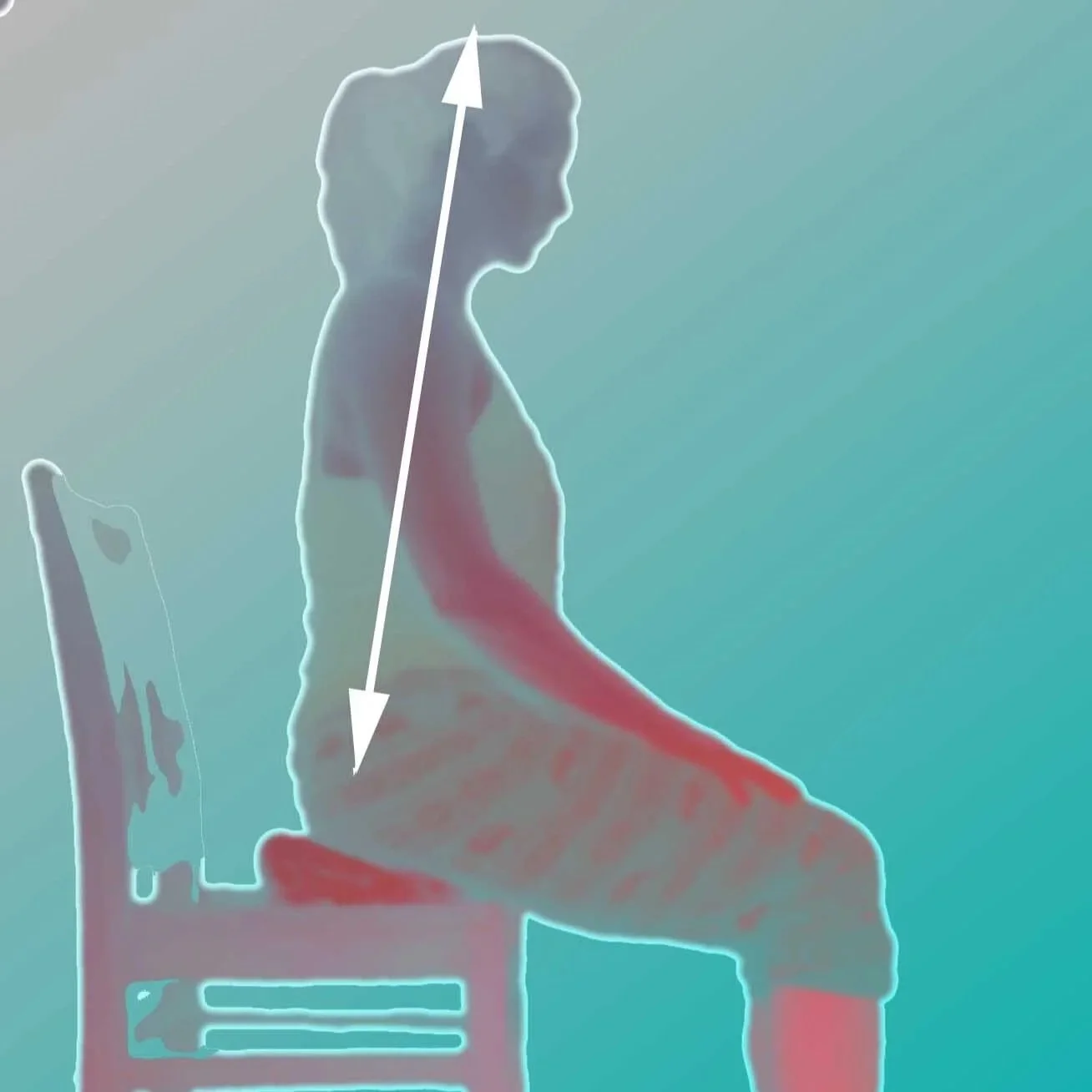
Deepen or open an inquiry into relationships like: shoulders to spine, spine to feet, or sit bones to cranium.
Where is Structural Integration from?
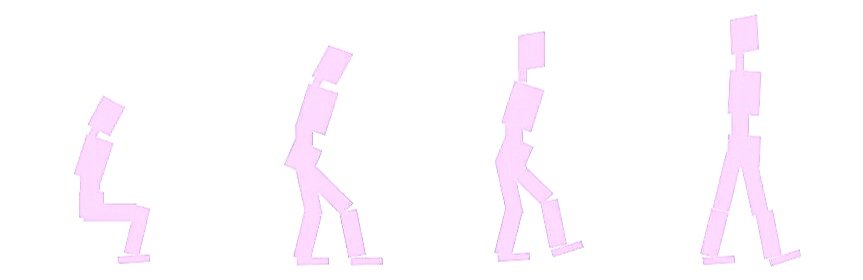
Ida Rolf developed this 10-session series for addressing the fascial relationships between body segments and the central axis. She believed that we can save energy by adjusting these relationships between segments so the facial network could be a bodywide organ of support. She instructed her students to keep looking toward what is happening with ‘the line’, and keep asking what each individual experiences. Some of her beliefs about what fascia does for you are being confirmed in research today. For most of her life, research had not considered it important to understanding anatomy. Turns out, fascia is pretty important.
Born in 1896, an osteopath had helped her after an accident, and this sparked her dedication to understanding more. Her wide ranging curiosity about Osteopathy, Hatha Yoga, Alexander Technique, and General Semantics inspired this hands on approach to bodywork as a practical way of helping people in her life function better. Her approach to working in this specific way developed In the 1930s and 40s while she was becoming one of the first women to earn a PhD in biochemistry. Dr Rolf (a doctorate in biochemistry not osteopathy) begin teaching Structural Integration in the 1950s. As she refined the process of Structural Integration, the Human Potential Movement of the 60s was a catalyst for her appeal. Her students have expanded on her work and taken it worldwide.
This process of Structural Integration is built around a foundation of anatomy, and also includes questioning, uncertainty, and continually looking toward the experience, without reaching any conclusion. It is a process of inquiry. Structural Integration embraces the human body, and itself as a mystery.
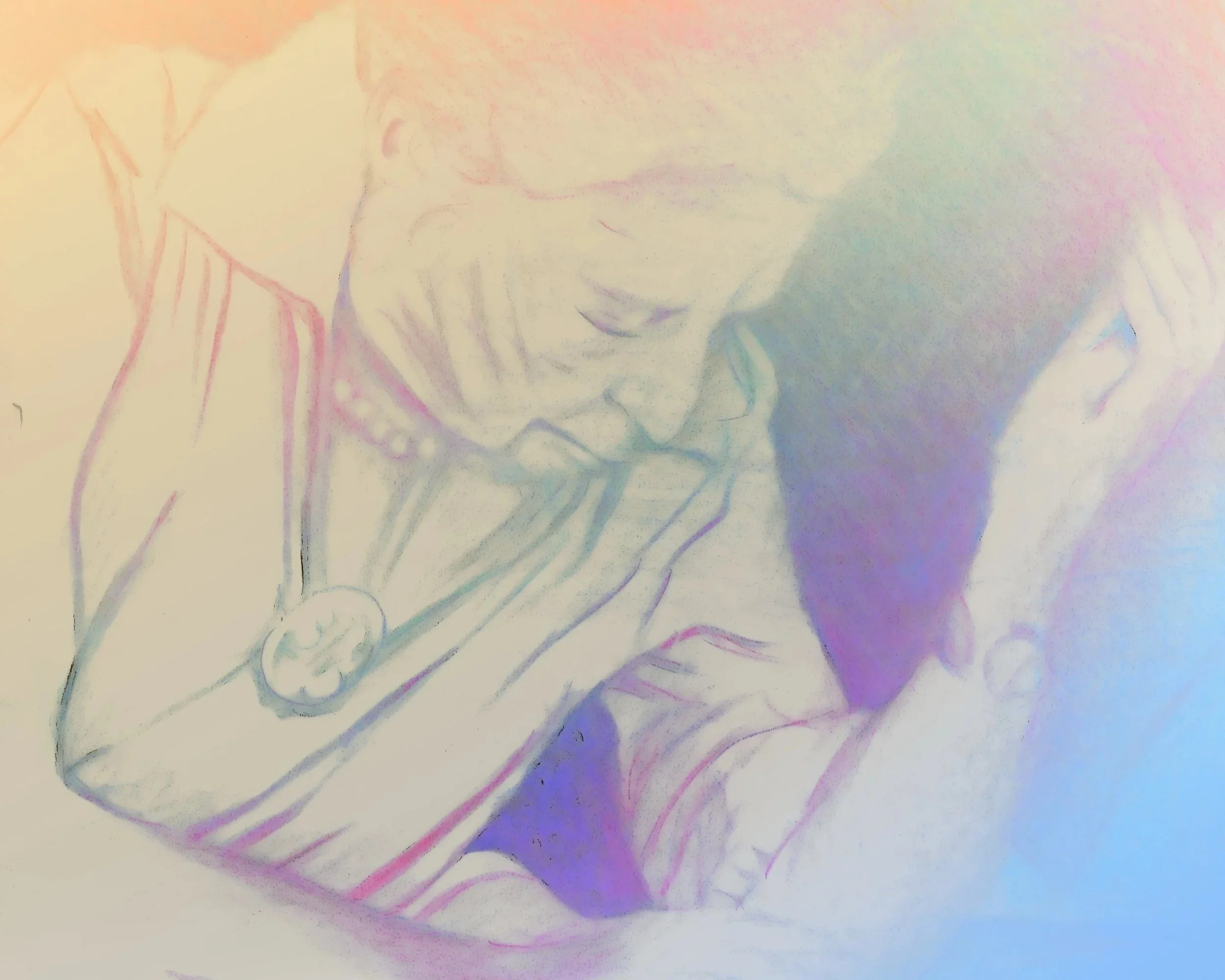
“We are looking for a way to evoke human potential. We are looking for a way to establish greater physical and mental vitality.”
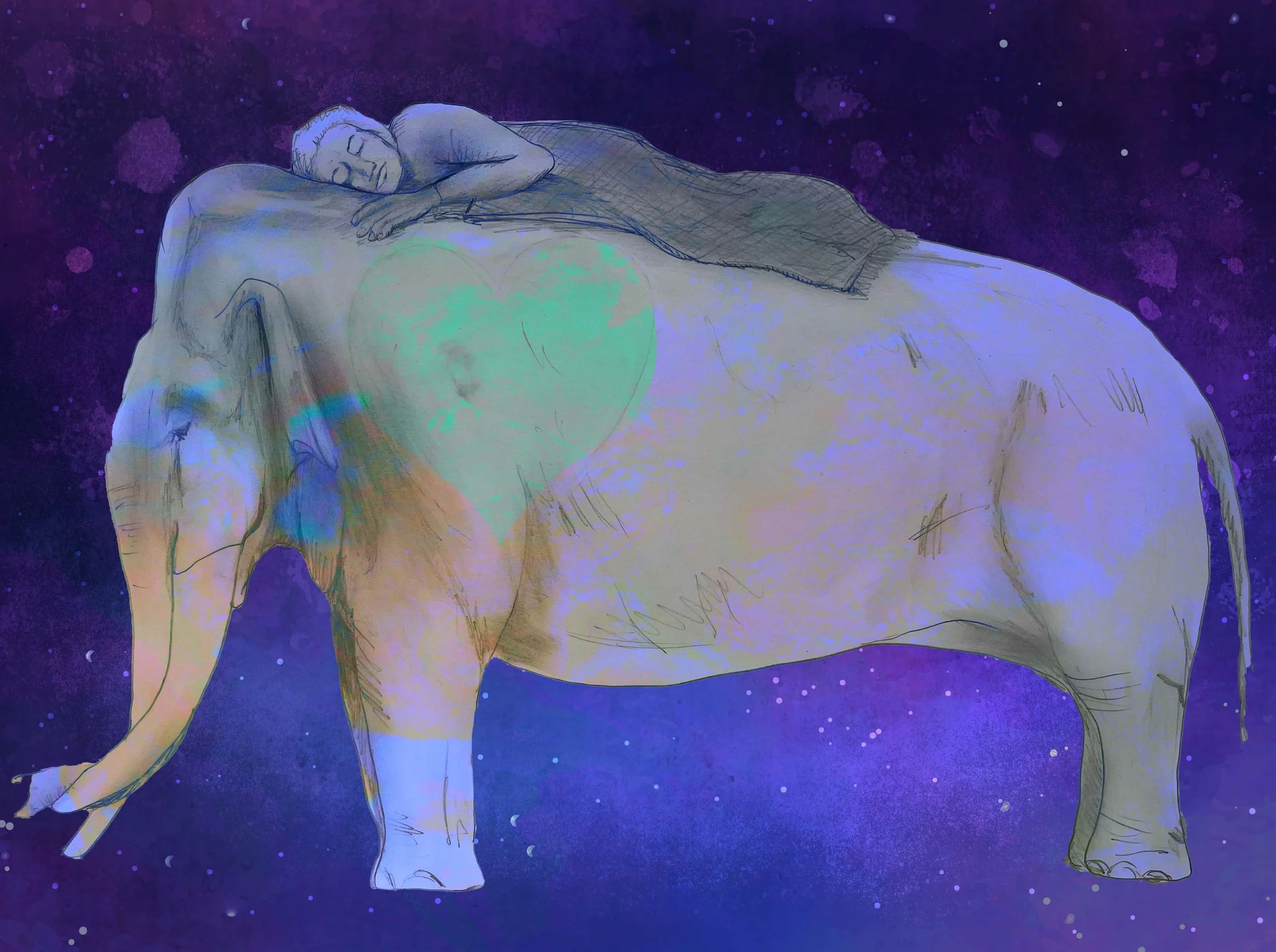
Structural Integration is almost as relaxing as a massage.
Refine your skills of resting into support underneath you. Meditate on your breath. Get hands on bodywork.
Prepare for Structural Integration:
Please commit to your appointment by showing up ready and on time.
Drink plenty of water 1-2 days before your session. Hydrated connective tissue is best for a smoother and more effective session.
Investigate your feels. Survey each toe . . . the top of your foot . . . the bottom of your foot . . . the right side of your ankle joint . . .etc.
Be prepared for questions like: “What does it feel like to take a deep breath? (Try that right now. How full does that feel in your rib cage? Is it smooth and easy?)
Wash up before your session if you’re especially sweaty or dirty, or it’s been a while since your last shower. Skip the lotion if it leaves a residue, clean skin is best.
Some clothing is required. Shorts and a simple strap tank top (not a racerback), bra and full coverage underwear, a two piece swimsuit, briefs or boxer briefs all work well. If this type of clothing isn’t right for you, just wear what’s right for you. A blanket will be available.
What’s a Structural Integration Session like?
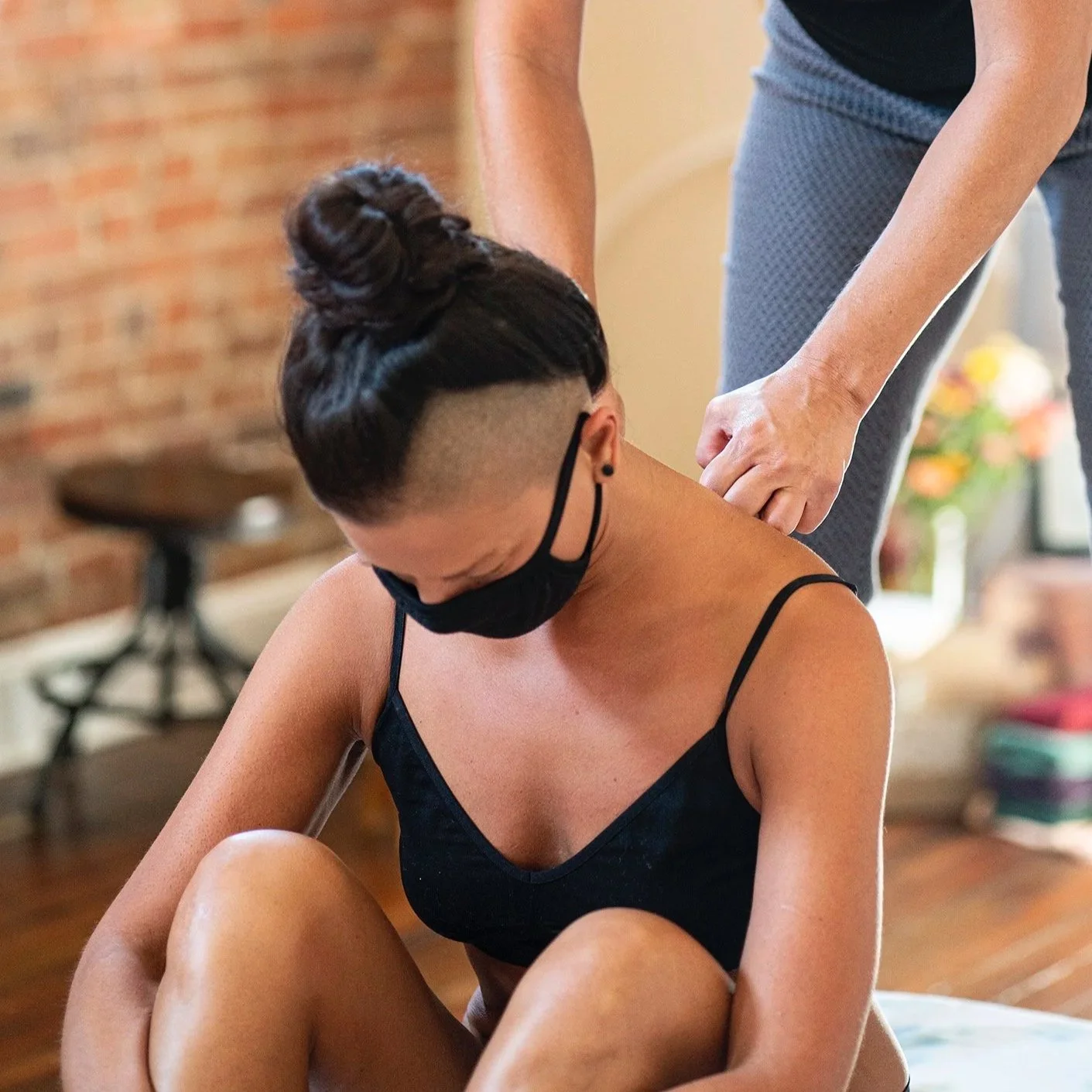
Answer questions about your history, and goals. Investigate what you’re noticing right then. Next, you get on a massage table for hands-on myofascial bodywork. Communicate about your sensations throughout the session. Expect to be comfortable with an easy breath flowing. The pressure should feel effective without making you tense up, adjusted based on your sensation and feedback. You’ll be asked to take small movements. Sitting or standing hands-on work at the end of each session. You walk away with something to experiment with, like a suggested movement or visualization. Most sessions leave people sensing their body or their relationship to the environment in a new way.